


Blog

Reform UK has bold plans to reverse Britain's economic decline. Measures include scrapping carbon taxes, removing VAT from domestic energy bills, cutting average household energy bills by £250 within the first 100 days of the next government.
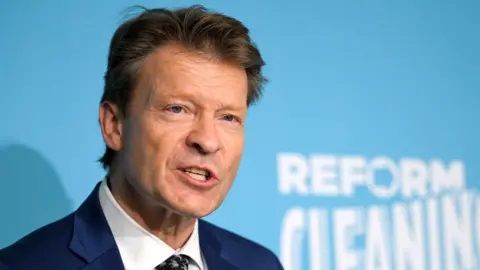
Britain's energy supply currently has the worst of all possible worlds: record high costs, exposure to global conflict and global prices, and a massive burden of green mandates, levies, transfer pricing, and Carbon Price Support (CPS) on gas generators.
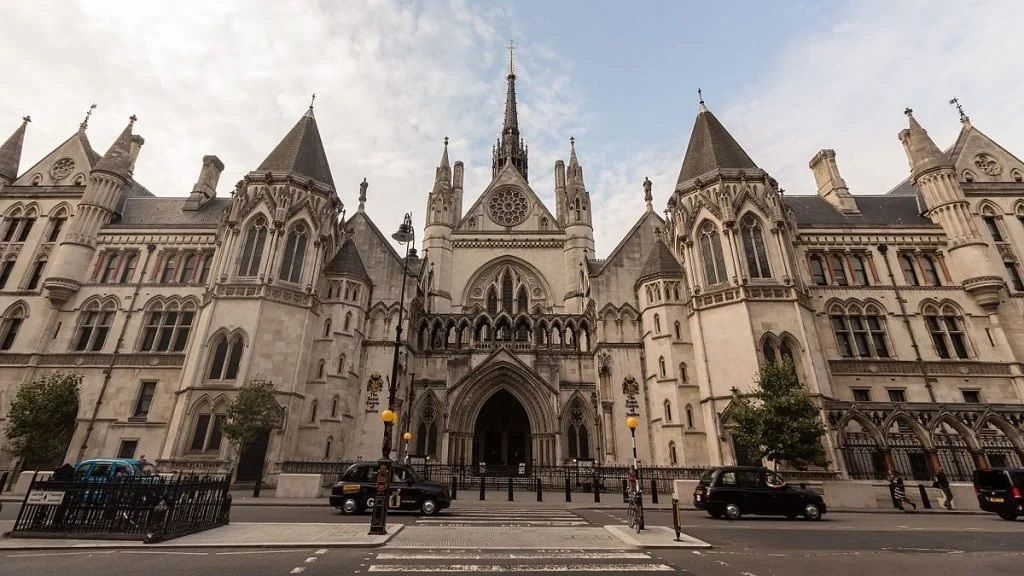
Reform has important plans to restore power to Parliament and to Britain's long-standing constitutional model.
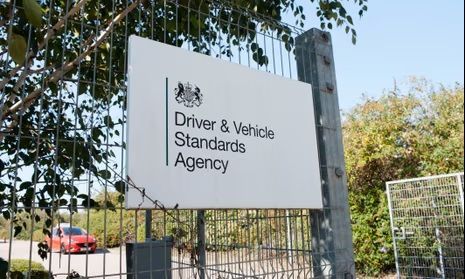
Past governments have complained about the difficulty of governing Britain's complex 'quangocracy'. But in reality, all past Conservative and Labour ministers have done is to create more of them.
Winning an election is just the beginning. The next government is going to have to create a new relationship with an impartial Civil Service.

Britain must grow again. The next government is going to have to make reforms to make it happen.

There's a growing consensus on the right wing of UK politics on the treatment needed for the British state and the British economy. But only Reform UK - and the wider Reform movement which has been pushing these remedies for years - has the credibility to deliver.

Such is the scale of Britain's decline and the loss of confidence amongst ordinary voters, that even when important policies for better government can be demonstrated, people doubt whether the country's institutions can really deliver.
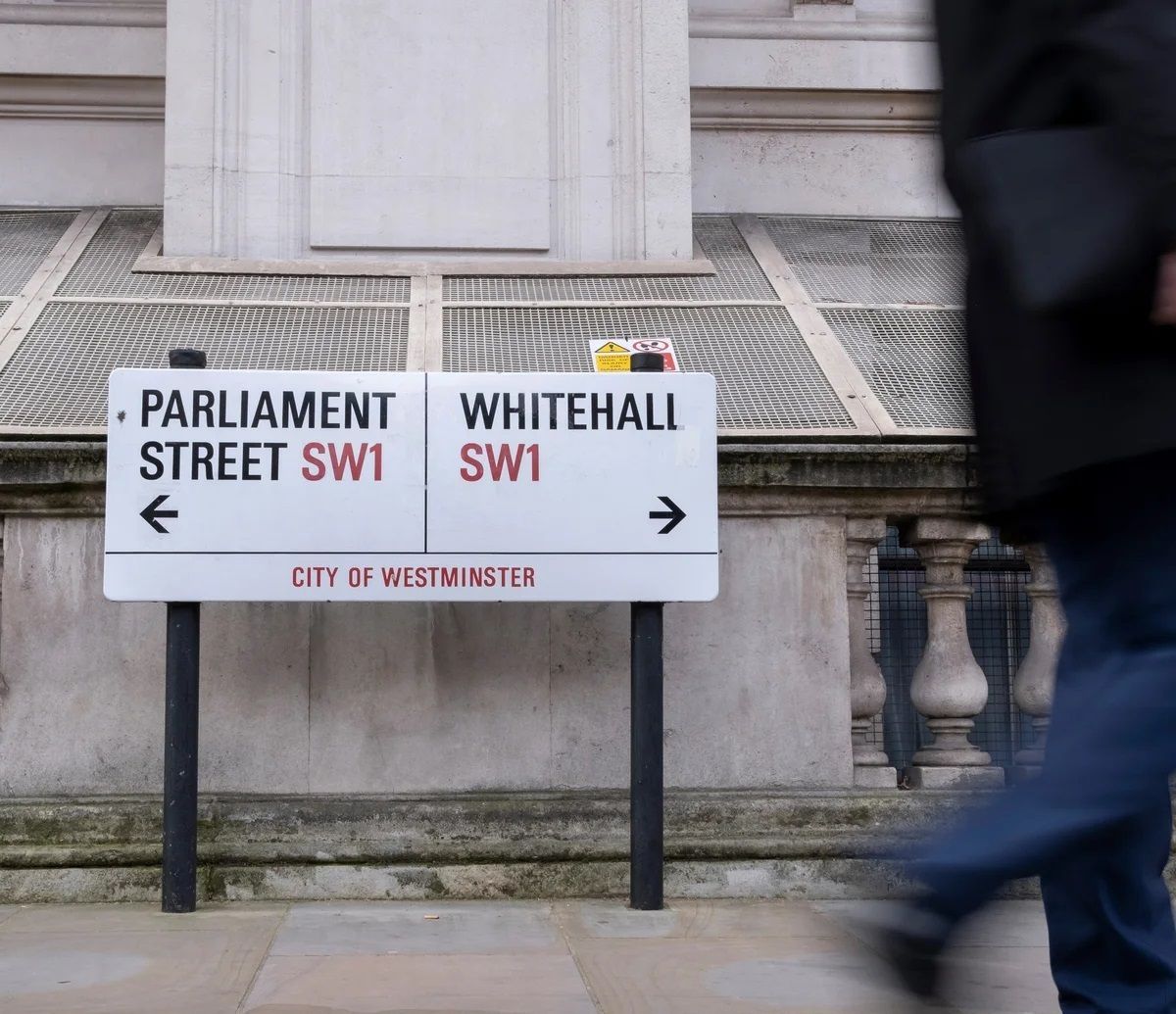
Declining public sector productivity has emerged as one of the UK’s most critical economic challenges, costing the economy an estimated £80 billion a year. While the private sector has rebounded and outpaced its pre-pandemic performance, the public sector has experienced a severe productivity imbalance. ONS data shows that total public service productivity remains 2.5% to 3.4% lower than in 2019. The bloated state has become an immovable obstacle to Britain's progress.
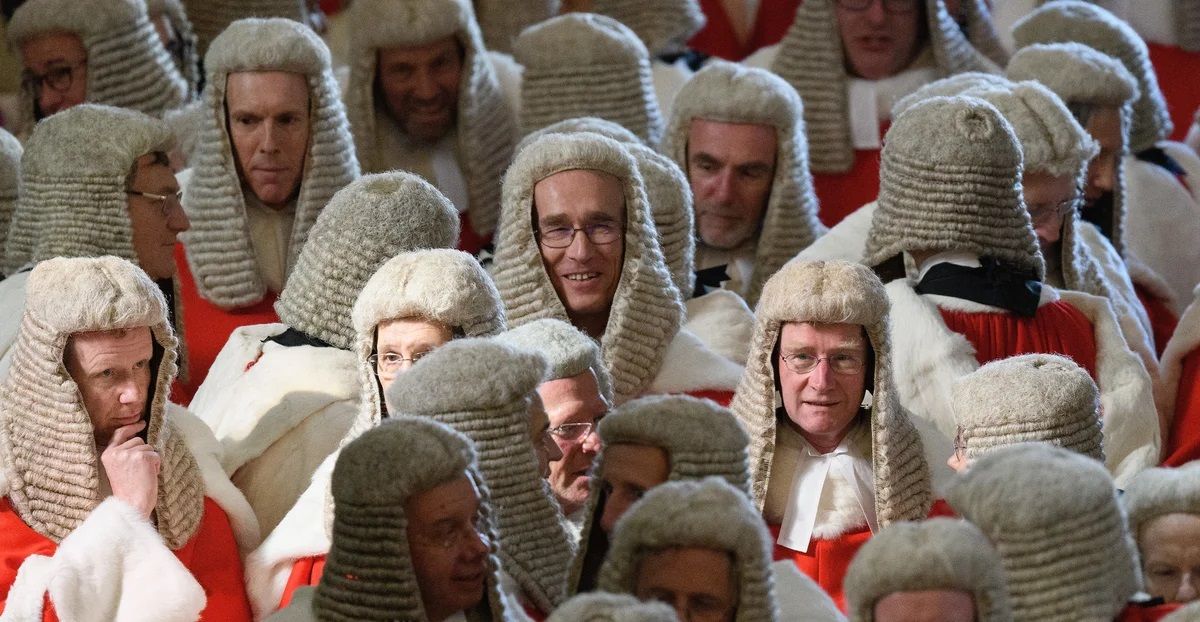
Considering Brexit and the ongoing 'Brexit betrayal', the expanding reach of domestic and international courts, Labour's push for more complex layers of local government, the quangos and non-governmental agencies, Britain has a growing democratic deficit. Reform UK is making the case to restore power back to where it belongs, directly to the British people through Parliament and other democratic institutions.
